The concept of green architecture, also known as “sustainable architecture” or “green building,” is the theory, science and style of buildings designed and constructed in accordance with environmentally friendly principles. green architecture strives to minimize the number of resources consumed in the building's construction, use and operation, as well as curtailing the harm done to the environment through the emission, pollution and waste of its components. Updated june 21, 2019 green architecture, or green design, is an approach to building that minimizes the harmful effects of construction projects on human health and the environment. the "green" architect or designer attempts to safeguard air, water, and earth by choosing eco-friendly building materials and construction practices. The five principles of green building practices have been established that are organized around the life cycle performance of green buildings. an integrated and . Principles of building green · alternative energy sources. whenever feasible, build homes and communities that supply their own power; such green architecture principle buildings may .

Green architecture green architecture principles of building green: the advances in research and in building techniques achieved by the above-mentioned green design luminaries have been compiled into a reliable database of environmental construction methods and sustainable materials—some of which have been in use for thousands of years yet remain the basis for contemporary advances in environmental technology. Over the years sustainable architecture has taken on many different names and forms. what makes architecture sustainable varies widely and can include anything from a building which is constructed entirely of recycled materials to being one which is powered completely by the sun. by following sustainable principles, architects are able to create environmentally sound and energy efficient buildings which promote conservation and a consideration of environmental impacts and historical. More green architecture principle images.
The Five Principles Of Green Building
5 principles of sustainable architecture greener ideal.
Green Architecture Principles Of Building Green Britannica
What is green architecture? · energy efficiency · water efficiency · land use efficiency · low environmental impact and conservation of natural characteristics . Let us now move on with the discussion on the principles of green buildings: site and its surroundings; energy efficiency; water efficiency; material efficiency; indoor air quality; waste reduction; low maintenance costs; these are the seven key principles of green building architecture. we will discuss each of these principles in our succeeding articles. Architectural drawing : a visual compendium of types and methods / rendow yee. — the fourth edition adds two important chapters, “introduction to the . Seven principles of green building. seven principles that make up this important, growing trend. by andy engel. the first time i remember hearing about green .
Since the united nations conference, which was held under the title of “earth summit” in 1992, striving for achieving sustainable development must also include . Drawing problemsófor nothing can make figure drawing wkdw easy. the human figure remains the most demanding of all subjects for the artist. what '\\qdplf )ljxuh 'udzlqj reveals is the inherent logic of the figure, and the author proposes a system of study that is built on this logic. the system takes time and patience and lots of drawing. Active features of green architecture implies on the use of equipment that works on renewable resources and help in the conservation of natural and non-renewable resources. for example, wind turbines are used to generate electricity with the help of non-exhaustible wind power. The relationship between geometry and architectural design are described and discussed along some examples. geometry is the fundamental science of forms and their order.
What is green building? green buildings are designed, constructed, and operated to enhance the well-being of their occupants and support a healthy community and natural environment. in practical terms, green building is a whole-systems-approach to building that includes: designing for livable communities. Green architecture, philosophy of architecture that advocates sustainable energy sources, the conservation of energy, the reuse and safety of building materials, and the siting of a building with consideration of its impact on the environment. What makes architecture sustainable varies widely and can include anything from a building which is constructed entirely of recycled materials to being one which is powered completely by the sun. Aug 26, 2015 sustainable architecture principles: environment, energy, efficiency · green architecture principle environmentally-friendly building materials a sustainable architect typically .
Principles Of Green Architecture Architecture Student Chronicles
Sustainable design principles used in green architecture could denote buildings which are made from recycled materials or those which are powered by green energy or any existing building which has been retrofitted with green architecture elements to make it environment friendly, promote conservation, and is energy efficient.
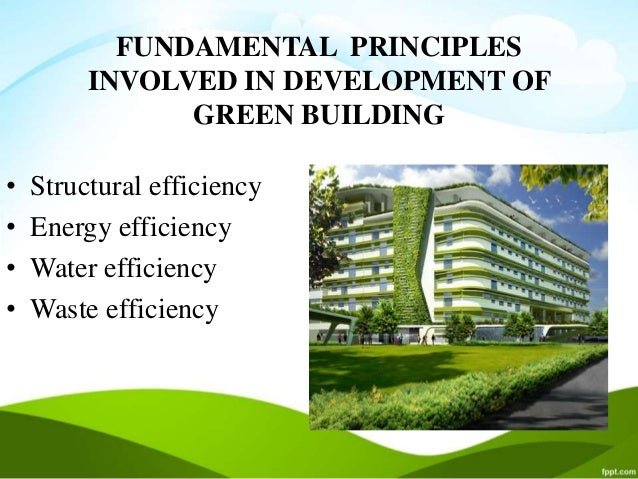
One of the principles of green architecture is to therefore use green designs to lessen these environmental impacts. particularly, this green principle is all about preventing degradation of the site during construction, sprawl management, and the controlled use of resources as well as ensuring energy-efficient buildings lessen the overall impacts on the environment. Oct 7, 2015 news > energy engineering company unveils 6 fundamental principles of sustainable building design. buildings all over the nation use a .
Green architecture, philosophy of architecture that advocates sustainable energy sources, the conservation of energy, the reuse and safety of building materials, and the siting of a building with consideration of its impact on the environment. in the early 21st century the building of shelter (in. Jun 30, 2013 5 principles of sustainable architecture · harness natural energy · eliminate waste · use local, natural materials · understand the limitations of . The green principle is the principle about interconnecting natural areas and buildings. the grey principle refers to the circular systems in the buildings, such as energy or electric power systems. the blue principle is about the water cycle which should be designed to close the loop, which means that try best to reduce or reuse waste water.
Also called "loose fit, long life," this design principle anticipates and allows for future adaptations needed to extend a building's useful life. design for end of life. this principle encourages design for the disassembly, reuse, and/or recycling of building components and materials at the end of their useful life. Here are the seven principles of green architecture: · site and its surroundings · energy efficiency · water efficiency · material efficiency · indoor air quality · waste .
Green Architecture Britannica
Green architecture green architecture principles of building green: the advances green architecture principle in research and in building techniques achieved by the above-mentioned green design luminaries have been compiled into a reliable database of environmental construction methods and sustainable materials—some of which have been in use for thousands of years yet remain the basis for contemporary advances in. Green building refers to both a structure and the application of processes that are other related topics include sustainable design and green architecture. green construction principles can easily be applied to retrofit work as we.

0 Response to "Green Architecture Principle"
Posting Komentar